Article content
The earliest stage of an artist’s career can be the most exciting moment to collect their work. It is also the point at which easy metrics are least useful. There may be few auction results, limited institutional history, and no consensus about what the work will become.
Experienced collectors rarely solve this uncertainty by trying to predict a market. Instead, they build a richer picture: the artist’s ideas, the consistency of the practice, the people engaging with it, and the quality of the work itself.
01 Begin with the practice, not the résumé.
A biography can tell you where an artist studied and who has shown their work. It cannot, by itself, explain why the work deserves attention. Start with the questions the artist returns to and how those questions have changed over time.
Look across several bodies of work if possible. Studio interviews, exhibition texts, and earlier pieces help reveal whether a new series grows naturally from sustained inquiry or simply follows a visual trend.
“The strongest emerging practices feel open-ended but unmistakably their own. You can see a direction without seeing a formula.”
— Lena Ortiz, ArtVault Contemporary Art Specialist
02 Look for consistency, not repetition.
Consistency does not mean that every painting should look alike. It means that the artist’s decisions feel purposeful across changes in scale, subject, or material. A coherent practice can move quickly while retaining a recognizable intelligence.
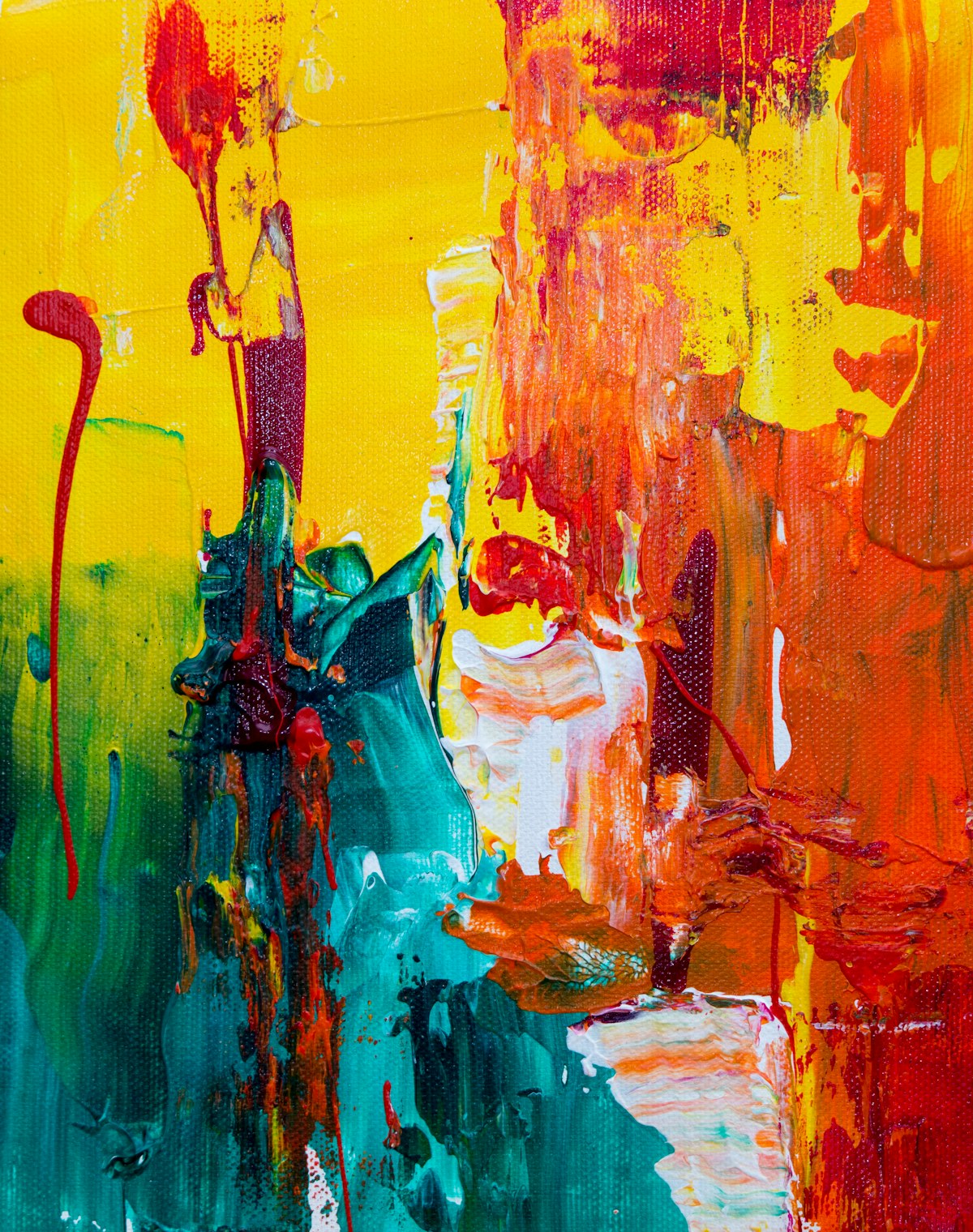
When viewing in person, notice where your attention goes after the first impression. Does the work continue to offer structure, tension, or surprise? Works that reward repeated looking tend to remain meaningful beyond the excitement of discovery.
03 Study the context around the work.
Thoughtful gallery representation matters because a good gallery supports development rather than simply accelerating supply. Curators, writers, residencies, and artist-led communities can also demonstrate serious engagement, even before major institutional recognition arrives.
Who is spending time with the work—and what are they responding to? Quality of attention is often more revealing than quantity of exposure.
04 Understand material and condition.
Ask how the work was made, whether its materials are stable, and what care it will require. For photography and prints, understand the edition structure. For sculpture or mixed media, ask about fabrication, replacement components, and installation.
- Request a current condition report and detailed images.
- Confirm dimensions, signature, date, and edition information.
- Review provenance and accompanying documentation.
- Budget for framing, specialist handling, and insurance.
05 Collect with conviction.
Market context is helpful, but it should not replace your relationship with the work. Ask whether you would still want to live with it if its price never changed. That question keeps attention on the most durable form of value: sustained meaning.
Take time, compare works, and speak with people who know the practice well. The goal is not to eliminate uncertainty. It is to make the uncertainty informed—and to choose a work you will be glad to encounter every day.